
Blogs
How to Store Ammunition Properly: The Ultimate Long-Term Guide
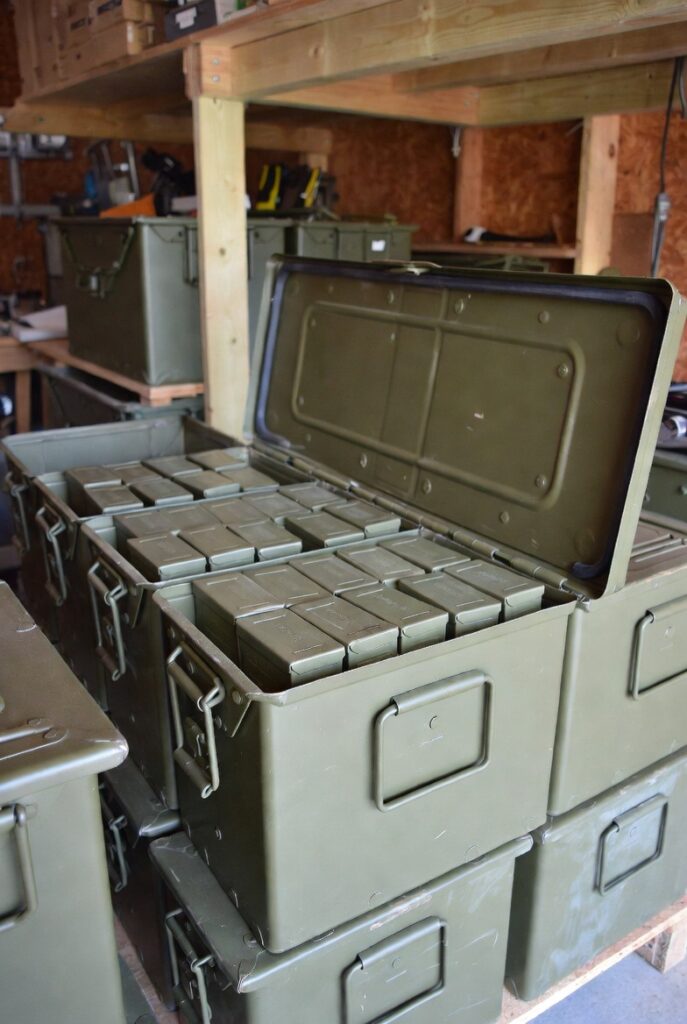
Jun
How to Store Ammunition Properly (Long-Term Guide)
Building a dependable supply of ammunition is a major milestone for first-time gun buyers. Whether you bought your first handgun for home defense, a rifle for sport shooting, or a shotgun for hunting, keeping a healthy stock of cartridges is a smart, cost-effective choice. However, ammunition is not a “set it and forget it” product. If left exposed to the elements, a premium box of defensive rounds can turn into a pile of useless, corroded misfires in just a few years.
When learning how to store ammunition properly, you are working against chemistry. Under pristine conditions, modern centerfire ammunition can easily last 30 to 50+ years. In poor conditions, it can degrade before next season.
This long-term guide cuts through the myths to show you exactly how to protect your safety, your wallet, and your ammunition investment.
The Threats to Your Stockpile: Why Ammo Degrades
To preserve your ammo, you have to understand the environmental triggers that break down gunpowder, primers, and metal casings.
Moisture and Humidity: Enemy Number One
Moisture causes steel and brass to oxidize and experience corrosion. If high humidity penetrates past the casing crimp, it will ruin the gunpowder inside, causing the round to click instead of bang when you pull the trigger at shooting ranges.
Extreme Heat and Temperature Fluctuations
According to the official SAAMI climate guidelines, ammunition performs best when kept in a stable climate. The danger zone begins when temperatures climb past 100°F (38°C), and accelerated chemical decomposition of the gunpowder triggers above 120°F (49°C).
Worse than constant warmth, however, are constant temperature fluctuations. When a storage area rapidly shifts from hot to cold, condensation forms inside the packaging, introducing microscopic water droplets straight to the primer.
Chemical and Light Exposure
Exposing ammunition to direct ultraviolet (UV) light over extended periods can weaken structural seals. Furthermore, storing your ammunition next to volatile solvents, gun-bore cleaners, or anything containing ammonia will chemically attack and crack brass casings.
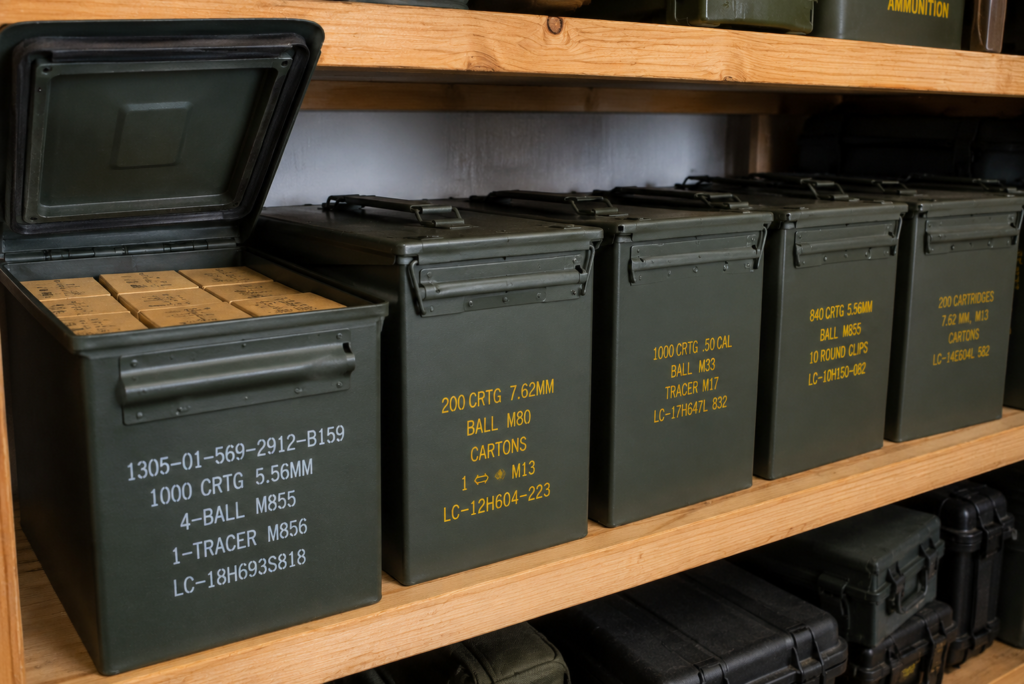
The Best Long-Term Ammunition Storage Containers
The flimsy cardboard boxes your ammunition arrives in absorb humidity like a sponge. For long-term preservation, you need an external layer of defense.
| Container Type | Maximum Lifespan | Pros | Cons |
| Factory Cardboard Box | 5–10 Years | Keeps manufacturing lot codes organized | Zero moisture protection |
| Plastic Utility Ammo Crates | 10–20 Years | Lightweight, will not rust or dent | Gaskets can wear out under heavy loads |
| Military Surplus Steel Ammo Cans | 30–50+ Years | Indestructible, gold-standard rubber gasket seal | Heavy, prone to surface rust if scratched |
| Vacuum-Sealed Mylar Bags | 50–100 Years | Zero air exposure, absolute element isolation | Cannot easily inspect or grab individual rounds |
For the majority of gun owners, a rugged steel or high-grade plastic ammo can with a fully intact rubber O-ring seal offers the best balance of cost, accessibility, and absolute elemental protection.
Ideal Locations in Your House vs. Places to Avoid
Where you place your container is just as critical as what container you choose.
- The Golden Rule: Keep your supply Cool, Dry, and Stable.
- Ideal Storage Zones: An interior ground-floor closet, a dark space under a bed, or a dedicated climate-controlled gun safe. These areas leverage your home’s central heating and air conditioning to maintain a steady temperature between 55°F and 75°F with relative humidity below 50%.
- Zones to Avoid: Never store your ammunition in uninsulated attics, damp crawlspaces, standalone outdoor sheds, or inside your vehicle’s trunk. These environments experience brutal daily temperature fluctuations that act as an express lane to ammunition failure.
Always ensure your chosen location complies with industry firearm safety and legal storage standards, keeping your munitions securely locked away from children or unauthorized individuals.
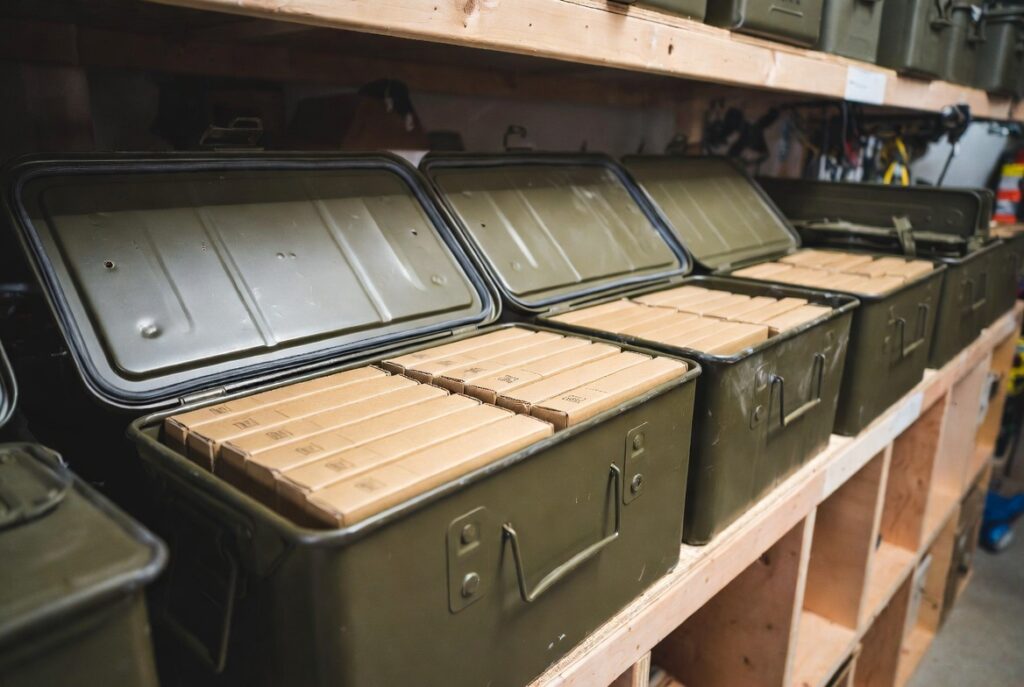
Step-by-Step Packing Guide for Decades of Shelf Life
When you are ready to archive your ammunition for the long haul, follow this bulletproof pipeline to eliminate human error:
1.Inspect Your Containers:Prerequisite Check.
Examine your ammo cans. Ensure the rubber gasket lining along the inside of the lid is completely supple, uncracked, and clear of debris. Wipe down the interior with a clean, bone-dry microfiber cloth.
2.Keep Ammunition In Factory Boxes:Do Not Store Loose.
Leave the cartridges inside their original cardboard trays. This prevents the rounds from violently knocking against each other (which can cause mechanical dents) and preserves the manufacturer lot numbers in case of a product recall.
3.Drop In Fresh Silica Gel Packs:Moisture Control.
Place a color-indicating silica gel pack inside the container. These desiccants actively drink up any residual ambient humidity trapped in the air when you closed the lid. Use roughly 5 to 10 grams of silica gel per standard metal ammo can.
4.Seal, Label, and Elevate:Final Preservation.
Latch the lid completely tightly. Affix a highly visible label detailing the caliber, bullet grain weight, purchase date, and exact round count. Store the container stacked safely on a sturdy shelf off the concrete floor to avoid rising ground moisture.
Stock Rotation and Range Readiness – How to Store Ammunition Properly
Even when you know how to store ammunition properly, establishing a consistent rotation schedule is a hallmark of defensive readiness. Practice the FIFO method: First In, First Out.
When heading out to local shooting ranges for routine training, pull from your oldest marked ammunition containers first. This cycles your inventory cleanly, ensuring that the rounds you rely on for home defense or competitive sport shooting stay consistently fresh and functionally perfect.
Pro-Tip on Silica Care: Color-indicating silica gel packs turn from blue to pink when they saturate with moisture. Do not throw them away! You can easily recharge them by baking them on a foil sheet in your kitchen oven at 220°F to 250°F for roughly 2 to 3 hours to evaporate the trapped water.
Conclusion: Protecting Your Safety and Investment
Learning how to store ammunition properly is a fundamental responsibility that separates casual gun buyers from safe, prepared marksmen. Ammunition is a precision engineered marvel, but it relies entirely on you to shield it from its natural enemies: humidity, heat, and chemical contamination. By investing in high-quality gasketed ammo cans, tossing in rechargeable silica gel packs, and choosing a stable, interior closet space, you can comfortably rest assured that your ammunition will function with sub-MOA reliability decades down the road.
Frequently Asked Question on How to Store Ammunition Properly (FAQ)
Is it safe to store ammunition inside a standard gun safe? – How to Store Ammunition Properly
Yes, a gun safe is an excellent choice. However, safes are not entirely airtight and can trap moisture. Always place a dedicated dehumidifier rod or a large desiccant canister inside the safe to manage internal humidity effectively.
How can I tell if old ammunition has gone bad? – How to Store Ammunition Properly
Visually inspect the rounds. Look for dark green or powdery corrosion crusting around the primer pocket or bullet casing seam. If the metal is deeply pitted, flaking, or sticky with strange chemical residue, discard the ammunition safely at a local disposal site.
Can freezing temperatures ruin my ammunition? – How to Store Ammunition Properly
Extreme cold is far less damaging to gunpowder than extreme heat. While cold temperatures will not break down propellants, rapid warming afterwards can cause humidity condensation on the cold brass. Always let cold ammunition slowly adjust to room temperature inside an airtight container before opening it.
Products by Category
-
Aguila .308 Winchester 150gr FMJ-BT – 20 Rounds
$24.00 -
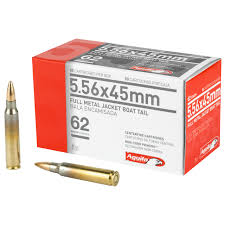
Aguila 5.56 NATO 62gr FMJBT – 50 Rounds / 1,000 Round Case
$20.00 -
Barnes VOR-TX 300 WSM 165gr TTSX BT – 20 Rounds
$30.00 -
Browning Ammo B192130302 Max Point 30-30Win 150gr 20 Per Box/10 Case
$28.00 -
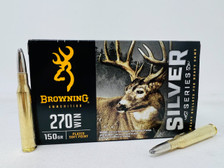
Browning Silver .243 Winchester 100gr Plated Soft Point – 20 Rounds
$26.00 -
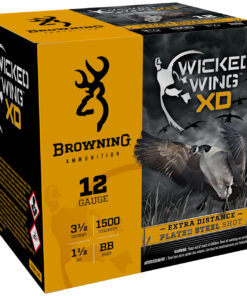
Browning Wicked Wing XD 12 Gauge 3½” 1-1/2oz BB Hex Steel – 25 Rounds
$26.00 -
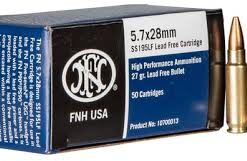
FN SS195LF 5.7×28mm 27gr Lead-Free – 50 Rounds / 2,000 Round Case
$29.00 -
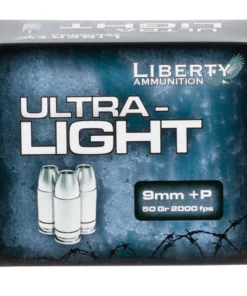
Liberty Ammunition Ultra-Light 9mm +P 50gr Fragmenting Hollow Point – 20 Rounds
$25.00 -
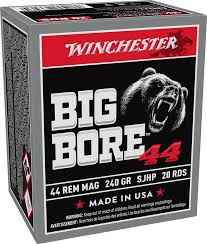
Winchester Big Bore .44 Rem Mag 240gr SJHP – 20 Rounds
$32.00
